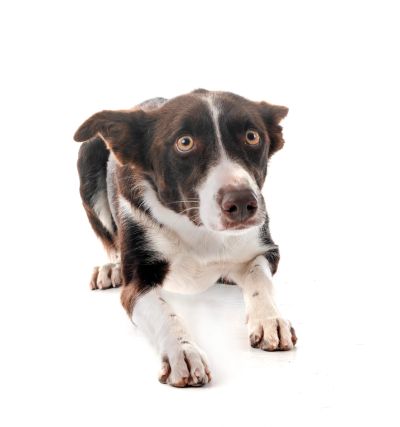
How Can I Help My Dog Who Is Frightened of Strangers?
Living with a dog who is frightened of unfamiliar people can make walks, visitors and everyday situations feel difficult.
Your dog may hide, freeze, bark, growl or try to move away when someone approaches. They may cope well with familiar family members but struggle around visitors, people outdoors or anyone who tries to interact with them.
Fearful behaviour is not stubbornness, disobedience or something that can simply be fixed by making the dog meet more people.
The first step is understanding what your dog finds difficult and helping them feel safer without forcing interaction.
A frightened dog does not need to be pushed through their fear. They need space, predictability and support suited to their individual needs.
Signs Your Dog May Be Frightened of Strangers
Fear does not always look dramatic.
Your dog may:
- Move away when someone approaches
- Hide behind you or furniture
- Freeze or become very still
- Lower their body
- Tuck their tail
- Turn their head away
- Avoid eye contact
- Lip lick, yawn or pant
- Refuse food
- Tremble or shake
- Bark from a distance
- Growl when approached
- Lunge towards people
- Try to escape
- Urinate when frightened
- Struggle when someone reaches towards them
- Become more reactive when trapped on a lead
- Appear friendly but suddenly retreat when touched
- React more strongly to men, children or people wearing unfamiliar clothing
- Take a long time to recover after an interaction
Some dogs attempt to create distance by moving away. Others learn that barking or lunging makes people stop approaching.
Both responses may be driven by fear.
Why Is My Dog Frightened of Unfamiliar People?
There is rarely one simple explanation.
Possible contributing factors include:
- Limited positive experience with different people
- Frightening or overwhelming early experiences
- A previous negative interaction
- Being forced into contact
- Pain or physical discomfort
- Feeling trapped
- Unpredictable movement
- Loud voices
- Direct eye contact
- People leaning over them
- Hands reaching towards their head
- Previous punishment around people
- Changes in vision or hearing
- Individual temperament
- Genetic influences
- Stress and trigger stacking
- Changes within the home
- A lack of control over whether interaction happens
A dog may be comfortable with one type of person but frightened of another.
They may struggle with:
- Men
- Children
- People using walking sticks
- People wearing hats
- People in uniforms
- People moving quickly
- People entering the home
- People approaching in narrow spaces
- People who stare or reach towards them
This does not mean your dog dislikes people generally. It may mean that certain features of the situation feel unsafe or unpredictable.
Is My Dog Being Protective?
Fearful behaviour is sometimes described as protectiveness or aggression.
A dog who barks when someone approaches their owner may appear protective, but they may actually be using the owner as a source of safety.
They may be:
- Frightened of the approaching person
- Worried about being touched
- Unable to move away
- Guarding access to a safe person
- Reacting because the person is too close
- Trying to make the interaction stop
Describing the dog as protective does not explain why the behaviour is happening.
Understanding whether the response is connected to fear, guarding, frustration or a combination of emotions is important when creating an individual behaviour plan.
Should I Make My Dog Meet More People?
Forcing a frightened dog to meet people can make their fear worse.
This may include:
- Asking strangers to stroke the dog
- Holding the dog still while someone approaches
- Allowing people to corner the dog
- Taking the dog into busy environments
- Encouraging visitors to repeatedly offer food
- Preventing the dog from moving away
- Allowing children to hug or follow the dog
- Waiting for the dog to simply get used to it
Repeated exposure only helps when the dog feels safe enough to learn.
When a dog is already overwhelmed, they may become more frightened and more likely to react in future situations.
The aim is not to make your dog tolerate every person. The aim is to help them feel safer and give them appropriate choices.
Why Taking Food Does Not Always Mean a Dog Is Comfortable
A frightened dog may take food from someone while still feeling unsafe.
Some dogs move closer because they want the food but then become frightened when they realise how close they are to the person.
This can lead to:
- Grabbing food and retreating
- Barking after taking the food
- Growling when the person moves
- Snapping when a hand remains close
- Appearing conflicted
- Repeatedly approaching and moving away
Food can be useful within a carefully planned behaviour programme, but it should not be used to lure a frightened dog closer than they would choose to go.
The person offering food should not assume that taking a treat is permission to touch or approach the dog.
What Should I Do When Someone Approaches?
Immediate management can help your dog feel safer and reduce the chance of a stronger reaction.
You may need to:
- Create more distance
- Step between your dog and the approaching person
- Ask the person not to approach
- Move behind a car, hedge or other barrier
- Cross the road
- Avoid narrow paths temporarily
- Ask people not to stare at your dog
- Prevent anyone from reaching towards them
- Allow your dog to move away
- Use quieter walking routes
- Avoid busy environments while support is being arranged
- Keep interactions short
- Give your dog time to recover afterwards
You can calmly tell people:
“Please ignore my dog and give us some space.”
You do not need to allow an interaction simply because someone says they are good with dogs.
Helping a Fearful Dog With Visitors
When visitors enter the home, your dog should not be forced to greet them.
Management may include:
- Settling your dog in a separate safe area before the visitor arrives
- Using a secure stairgate or barrier
- Asking visitors to ignore your dog
- Preventing direct eye contact
- Asking visitors not to reach towards the dog
- Keeping noise and movement calm
- Allowing your dog to remain at a distance
- Avoiding introductions in narrow hallways
- Supervising all interactions
- Keeping children away from the dog
- Giving your dog an undisturbed resting space
- Separating your dog if they are unable to settle
Some dogs may prefer not to interact with visitors at all.
That can be a safe and appropriate option while longer-term behaviour work takes place.
Should I Comfort My Dog When They Are Frightened?
You will not make fear worse by calmly supporting your dog.
Fear is an emotional response, not a behaviour your dog is performing for attention.
Support may include:
- Moving your dog away from the situation
- Speaking calmly
- Allowing your dog to remain close to you
- Providing access to a safe space
- Avoiding physical contact if your dog does not want it
- Giving them time to recover
- Reducing further demands that day
Some dogs seek contact when frightened. Others need more space.
Watching your dog’s body language will help you understand what kind of support they prefer.
Why Punishment Can Make Fear Worse
Punishing barking, growling or avoidance does not remove the fear behind the behaviour.
It may:
- Increase anxiety
- Make unfamiliar people predict discomfort
- Reduce trust
- Suppress early warning signs
- Increase the risk of snapping or biting
- Make the dog feel trapped
- Create stronger reactions in future situations
A dog who stops barking after a correction may still feel frightened.
Calm-looking behaviour is not always the same as feeling safe.
Can a Frightened Dog Become More Confident?
Many fearful dogs can make meaningful progress, but the aim should be realistic and individual.
Progress may include:
- Recovering more quickly after seeing someone
- Observing people from a comfortable distance
- Choosing to move away instead of barking
- Remaining calmer when visitors enter
- Feeling safe behind a barrier
- Coping with people moving nearby
- Becoming comfortable around selected familiar people
- Showing clearer and earlier communication
- Building trust in their owner’s support
Not every dog will want to greet or be touched by unfamiliar people.
Success should be measured by your dog feeling safer, not by how many people they can interact with.
How Ravendale Can Help
Ravendale’s behaviour assessment explores the reasons behind your dog’s fear and the situations they find most difficult.
The assessment may consider:
- Your dog’s history and early experiences
- When the fear first appeared
- Which people cause the strongest response
- Distance and location
- Visitor behaviour
- Your dog’s body language
- Previous training methods
- Health, pain or sensory changes
- Stress, sleep and recovery
- Your dog’s ability to move away
- How people currently interact with them
- Immediate safety and management needs
- What has already been tried
You will receive practical guidance suited to your dog, household and daily routine.
Further support may include:
- Safer management strategies
- Helping you recognise early signs of fear
- Reducing pressure around interactions
- Teaching useful alternative behaviours
- Gradually changing emotional responses
- Building confidence at your dog’s pace
- Helping visitors understand how to behave
- Reviewing progress through follow-up support
- Working alongside your vet where appropriate
Ravendale provides dog behaviour support across Horsham, Worthing, Crawley, Haywards Heath, Burgess Hill, Southwater, Henfield, Storrington, Steyning, Partridge Green, Billingshurst and surrounding areas of West Sussex.
When Should I Seek Professional Help?
Professional dog behaviour support is recommended when:
- Your dog has snapped at or bitten someone
- Fearful reactions are becoming more intense
- Your dog lunges or barks at people on walks
- You are unable to have visitors
- Your dog appears frightened in everyday situations
- Your dog cannot move away safely
- Children or vulnerable adults are involved
- Your dog redirects onto you or another dog
- Your dog takes a long time to recover
- You feel anxious about managing them
- The behaviour is affecting daily life
- The fear has appeared suddenly
Any sudden or unexplained change in behaviour should also be discussed with your vet.
Pain, illness, changes to vision or hearing and other physical factors can affect how safely a dog responds to unfamiliar people.
Help Your Dog Feel Safer Around People
A dog who is frightened of strangers does not need to be forced to become sociable.
They need an approach that respects their communication, protects their sense of safety and helps them build confidence without overwhelming them.
Ravendale provides kind, evidence-informed behaviour support to help you understand your dog’s fear, manage interactions safely and create an individual plan for calmer everyday experiences.