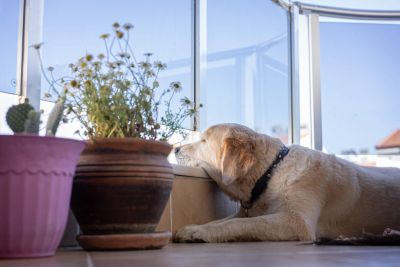
Can Separation Anxiety in Dogs Be Improved?
Separation-related distress can be difficult for both dogs and their owners.
Your dog may bark, howl, pace, destroy items, toilet indoors or become extremely distressed when they are left alone. Some dogs begin showing signs as soon as they notice their owner preparing to leave.
This behaviour is not spite, stubbornness or an attempt to punish you for going out. It is usually connected to fear, anxiety or difficulty coping with separation.
Helping a dog feel safer when alone takes time, careful observation and an individual plan.
A dog experiencing separation anxiety is not choosing to behave badly. They are struggling to cope.
What Is Separation Anxiety?
Separation anxiety is a term often used to describe distress connected to being left alone or separated from a particular person.
However, not every dog who struggles when left has exactly the same problem.
A dog may experience:
- Distress whenever nobody is at home
- Distress when separated from one particular person
- Fear of confinement
- Frustration behind a door or barrier
- Noise sensitivity
- Anxiety connected to departure routines
- Difficulty settling without company
- Distress caused by pain, illness or age-related changes
- Boredom or unmet needs
- A combination of several factors
Understanding what is driving the behaviour is important because the support needed may differ from one dog to another.
Signs Your Dog May Be Struggling When Left
Possible signs of separation-related distress include:
- Barking
- Howling
- Whining
- Scratching at doors
- Chewing door frames or furniture
- Pacing
- Panting
- Drooling
- Trembling
- Toileting indoors
- Trying to escape
- Refusing food
- Becoming destructive
- Following you constantly when you are home
- Becoming distressed when doors are closed
- Reacting when you pick up keys or put on shoes
- Watching your movements closely
- Trying to prevent you from leaving
- Becoming overexcited when you return
- Taking a long time to settle after you come home
- Appearing shut down or withdrawn
Some dogs show obvious distress. Others may remain very still, stop eating or lie close to the exit.
A quiet dog is not always a relaxed dog.
How Can I Tell What My Dog Does When I Am Out?
Using a camera can be extremely helpful.
A camera may show:
- How quickly your dog becomes distressed
- Whether they watch the door
- Whether they can eat
- Whether they pace or remain still
- How long barking continues
- Whether they settle at any point
- Which noises affect them
- Whether they react to movement outside
- Whether distress begins before or after you leave
- How they behave when left with another person or animal
Recordings can provide information that you cannot gather while you are away.
Avoid deliberately leaving your dog for long periods simply to test them. Short, carefully managed observations are safer and more useful.
Why Does My Dog Struggle to Be Left Alone?
There is rarely one simple reason.
Possible contributing factors include:
- A change in routine
- Moving home
- A change in working patterns
- Bereavement
- The loss of another animal
- A period when someone was home more often
- Rehoming or adoption
- Previous abandonment
- A frightening experience while alone
- Noise sensitivity
- Pain or illness
- Age-related changes
- Reduced vision or hearing
- Changes within the household
- Difficulty settling generally
- Limited gradual experience of being alone
- Individual temperament
- Stress and trigger stacking
- Strong attachment to one person
- Fear of confinement
Some dogs struggle from puppyhood, while others develop separation-related distress later in life.
Is My Dog Just Bored?
Boredom and separation anxiety are not the same.
A bored dog may chew, explore or look for activities but remain emotionally settled.
A dog experiencing separation-related distress may show:
- Repeated pacing
- Persistent barking or howling
- Escape attempts
- Heavy panting or drooling
- Refusal of food
- Toileting linked specifically to absences
- An inability to rest
- Panic around departure cues
- Immediate distress when left
Providing enrichment can be useful, but a puzzle feeder or chew will not resolve panic.
Some anxious dogs are unable to eat once they realise their owner has left.
Is My Dog Too Attached to Me?
Dogs can have close, healthy relationships with their owners without developing separation anxiety.
Comforting your dog, allowing them to sit near you or showing them affection does not automatically cause the problem.
A dog who follows you may be:
- Seeking safety
- Monitoring signs that you are leaving
- Struggling to settle
- Experiencing pain or discomfort
- Worried about being separated
- Following a familiar routine
Encouraging calm independence may be helpful, but suddenly withdrawing affection or repeatedly ignoring your dog can increase insecurity.
The aim is to help your dog feel safe, not to damage the relationship they rely on.
Should I Let My Dog Cry It Out?
Leaving a distressed dog to cry until they stop is not recommended.
Your dog may stop because they are exhausted, not because they have learned that being alone is safe.
Repeated panic may:
- Increase anxiety
- Strengthen fear around departures
- Make your dog more sensitive to leaving cues
- Lead to escape-related injuries
- Increase destructive behaviour
- Affect sleep and recovery
- Make future absences more difficult
Dogs do not learn effectively when they are overwhelmed.
Progress should be built gradually, before your dog reaches the point of panic.
Will Getting Another Dog Solve Separation Anxiety?
Another dog does not reliably solve separation anxiety.
Some dogs are comforted by canine company, but others remain distressed because they are specifically worried about separation from a particular person.
In some cases:
- The new dog may copy the anxious behaviour
- The original dog may remain distressed
- The household may become harder to manage
- Conflict may develop
- The owner may end up with two dogs who cannot be left
A second dog should not be brought into the home solely as a treatment for separation anxiety.
Your dog’s response to being left with another animal should be assessed carefully.
What Should I Do While My Dog Is Struggling?
Where possible, reduce absences that cause severe distress while support is being arranged.
Temporary management may include:
- Taking your dog with you when appropriate
- Asking a trusted person to stay with them
- Using a familiar dog sitter
- Adjusting working arrangements
- Sharing care with family members
- Planning essential trips carefully
- Keeping departures predictable
- Avoiding punishment after returning home
- Using a camera to observe your dog
- Giving your dog time to recover after difficult absences
Dog walkers, sitters or daycare may help some dogs but may not suit every dog, particularly those who are fearful, reactive or uncomfortable in unfamiliar environments.
Management is not the same as treatment, but it helps prevent repeated panic while your dog learns.
Should I Leave Food or Enrichment?
Food and enrichment can be helpful when your dog is calm enough to use them.
Options may include:
- A safe chew
- A food-filled toy
- A scatter of food
- A licking activity
- A familiar resting area
- Gentle background noise
However, food should not be used as proof that your dog is coping.
A dog may begin eating and then become distressed once they realise they are alone. Some dogs refuse food completely when anxious.
Enrichment can support the plan, but it should not replace gradual separation work.
How Is Separation Anxiety Improved?
Support usually involves helping your dog experience very small, manageable periods of separation without becoming distressed.
This may include:
- Identifying your dog’s current coping point
- Reducing exposure to overwhelming absences
- Separating departure cues from actual departures
- Building calm around doors and barriers
- Practising very short absences
- Increasing duration gradually
- Monitoring progress with a camera
- Improving rest and recovery
- Adjusting the daily routine
- Addressing pain or health concerns
- Helping your dog settle while you are present
- Reviewing setbacks and adjusting the plan
Progress is not always linear.
The length of time your dog can cope may vary depending on:
- Stress
- Sleep
- Noise
- Health
- Time of day
- Changes in routine
- Previous absences
- Events earlier that day
Your dog’s body language should guide the pace of the plan.
Should I Practise Leaving Every Day?
Regular practice can be useful, but more practice is not always better.
Sessions should:
- Remain below your dog’s panic point
- Be short enough for them to cope
- Vary naturally
- Include recovery time
- Be monitored
- Stop if signs of distress appear
- Be adjusted when your dog is tired, unwell or already stressed
Repeatedly pushing your dog beyond what they can manage may slow progress.
Quality matters more than duration.
Can Medication Help?
Medication may be helpful for some dogs, particularly when anxiety is severe.
It may:
- Reduce overall anxiety
- Improve your dog’s ability to learn
- Support recovery
- Make gradual separation exercises more manageable
- Help with related fears or sensitivities
Medication should be discussed with your vet.
It is not a failure and should not simply be viewed as sedating the dog. The aim is to support emotional wellbeing and help your dog become more able to engage with their behaviour plan.
Medication is usually most effective when combined with appropriate management and behaviour support.
Can Separation Anxiety Be Cured?
Many dogs can make meaningful progress, but outcomes vary.
Progress may mean:
- Remaining calm during departure routines
- Settling more quickly
- Coping with short absences
- Being able to eat while alone
- Resting instead of monitoring the door
- Recovering more easily after you leave
- Gradually managing longer periods
- Becoming more comfortable with another trusted person
Some dogs may eventually cope well with everyday absences.
Others may continue to need management, shorter periods alone or ongoing support.
The goal should be improved emotional wellbeing and realistic progress for the individual dog.
How Ravendale Can Help
Ravendale’s behaviour assessment looks at the full picture rather than focusing only on barking, destruction or toileting.
The assessment may explore:
- When the behaviour began
- What happens before you leave
- How quickly distress appears
- Video footage of your dog alone
- Your dog’s daily routine
- Sleep and rest
- Previous experiences of separation
- Changes within the household
- Noise sensitivity
- Confinement or barrier frustration
- Health, pain or age-related changes
- How your dog responds to different people
- What has already been tried
- The practical needs of your household
You will receive guidance suited to your dog, lifestyle and current level of distress.
Further support may include:
- A personalised separation plan
- Camera-based observation
- Gradual absence exercises
- Departure-cue work
- Management strategies
- Routine adjustments
- Progress reviews
- Support following setbacks
- Working alongside your vet where appropriate
Ravendale provides separation anxiety and dog behaviour support across Horsham, Worthing, Crawley, Haywards Heath, Burgess Hill, Southwater, Henfield, Steyning, Partridge Green, Billingshurst and surrounding areas of West Sussex.
When Should I Seek Professional Help?
Professional dog behaviour support is recommended when:
- Your dog panics when left
- They bark or howl for long periods
- They damage doors, windows or crates
- They injure themselves trying to escape
- They cannot eat when alone
- They toilet indoors specifically during absences
- They become distressed during departure routines
- You feel unable to leave the home
- Their distress is affecting neighbours
- The behaviour is becoming worse
- The problem has appeared suddenly
- You are unsure how to begin
- Previous attempts have caused setbacks
- The situation is affecting your own wellbeing
A veterinary appointment is recommended when the behaviour appears suddenly or is accompanied by:
- Pain
- Changes in appetite
- Increased thirst
- Toileting changes
- Confusion
- Restlessness at night
- Changes in mobility
- Changes in hearing or vision
- Unusual clinginess or withdrawal
Older dogs who suddenly struggle when left may need investigation for pain, sensory changes or cognitive decline.
Help Your Dog Feel Safer When Left Alone
Separation anxiety can feel overwhelming, but your dog is not being difficult or trying to control your life.
They are communicating that being left currently feels unsafe.
Ravendale provides kind, evidence-informed behaviour support to help you understand your dog’s distress, reduce repeated panic and build a gradual plan towards calmer, more manageable absences.